Moisture Mapping and Assessment
We use penetrating and non-penetrating moisture meters plus thermal imaging cameras to map exactly where water has traveled. That map drives equipment placement and tells us what materials can be saved.
When your basement floods, every hour counts. Our basement drying and dehumidification Annapolis MD service uses truck-mounted extractors, commercial air movers, and calibrated dehumidifiers to pull moisture out of concrete, framing, and carpet before mold takes hold. We serve homeowners across Anne Arundel County, from the Historic District to Cape St. Claire. One call and we roll.
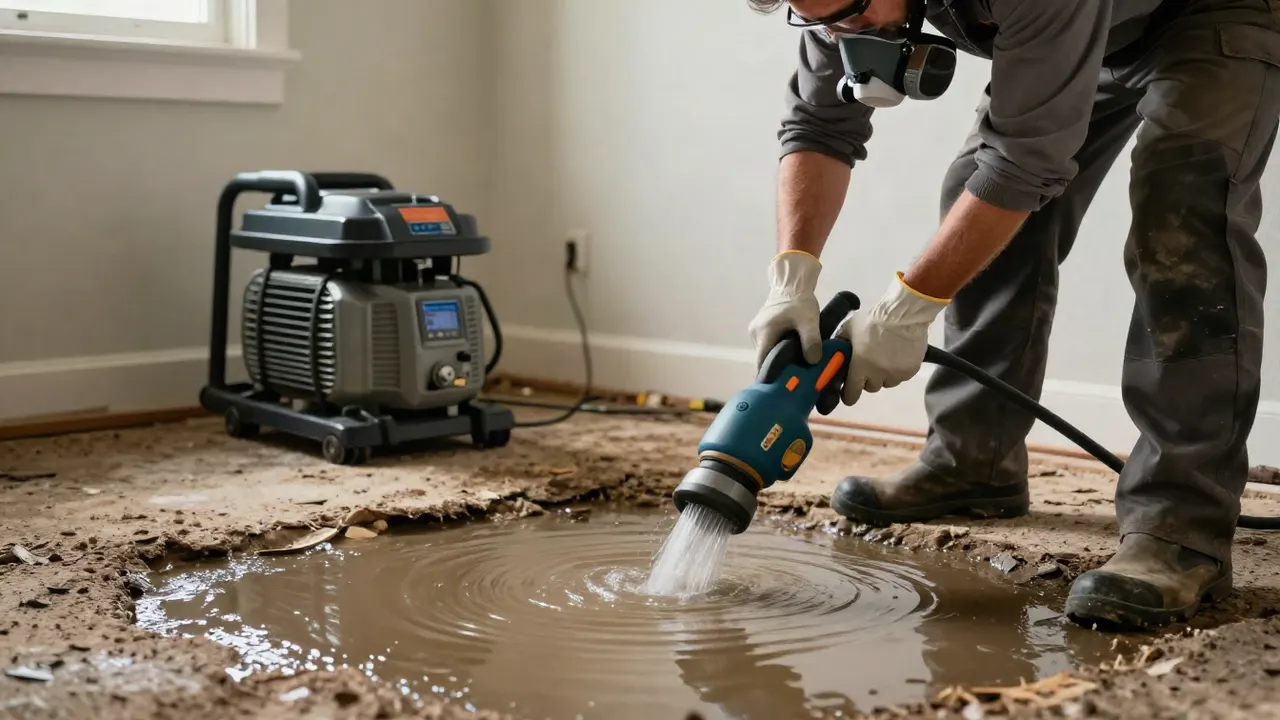
Basement drying and dehumidification is the controlled removal of standing water and trapped moisture from a below-grade space until the structure returns to safe, pre-loss dryness. It is not a fan in the corner and a rented unit from the hardware store. We use moisture meters and thermal imaging cameras to map where water hides behind drywall, under vinyl plank, and inside rim joists. Then we place Dri-Eaz and Phoenix Restoration Equipment air movers and low-grain refrigerant dehumidifiers to dry the cavity from the inside out. Every job follows the ANSI/IICRC S500 Standard for water damage restoration.
Annapolis basements flood for reasons that repeat every year. Sump pump failure during a nor'easter. Hydrostatic pressure pushing through a 1920s stone foundation in Eastport. A burst PEX tubing line while you are at work in Parole. Heavy rain overwhelming clogged gutters and downspouts. Whatever put the water there, standing moisture in a basement creates the humid, dark conditions mold needs to colonize in 24 to 48 hours. If you are searching for basement drying and dehumidification near me Annapolis MD, you need a crew that treats drying as a science, not a guess.
Every basement drying and dehumidification job includes the core steps needed to dry your space to standard and document the loss. Additional services like drywall repair, flooring replacement, or content pack-out are available and priced separately based on what your basement needs.
We use penetrating and non-penetrating moisture meters plus thermal imaging cameras to map exactly where water has traveled. That map drives equipment placement and tells us what materials can be saved.
Truck-mounted extractors and submersible pumps remove standing water from concrete, carpet, and padding. This step alone cuts total drying time by a day or more compared to drying without extraction.
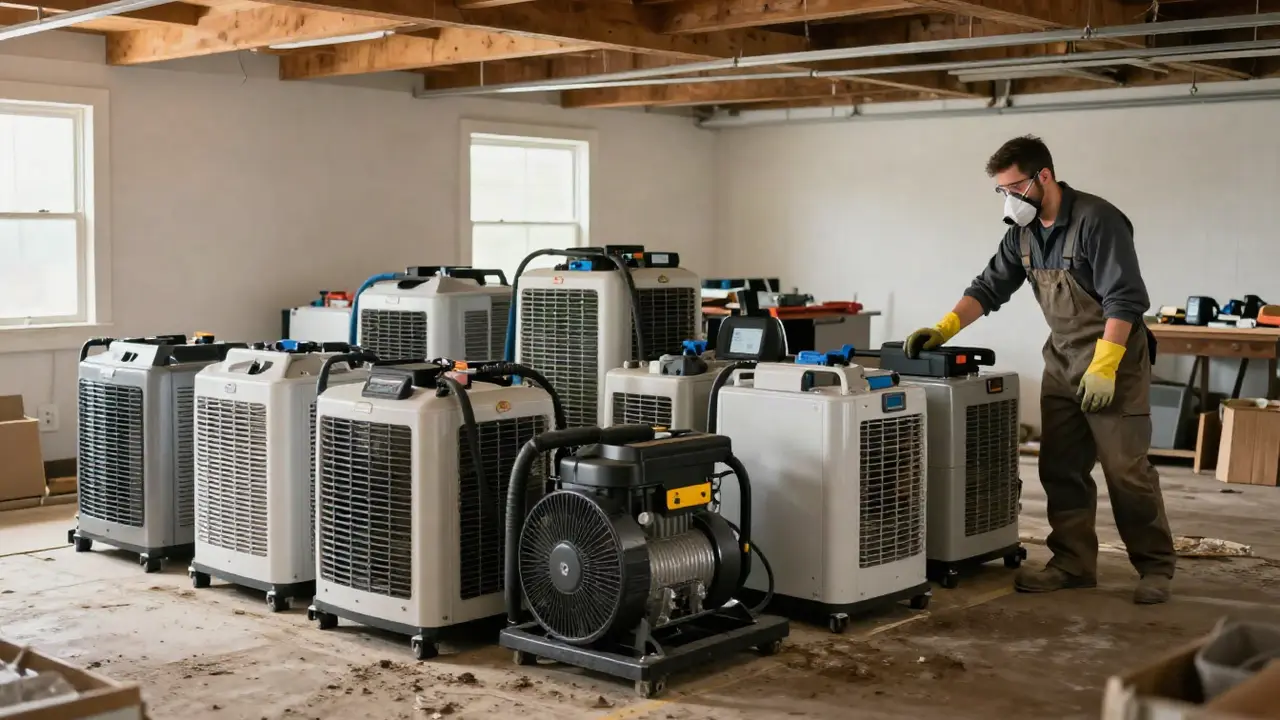
We position Dri-Eaz and Phoenix air movers to create a vortex across wet surfaces, accelerating evaporation from concrete, framing, and subfloor. Placement is based on the moisture map, not a template.
Commercial refrigerant dehumidifiers pull 130 or more pints per day, dropping ambient humidity low enough to dry the structure. We size units to your cubic footage and adjust as readings change.
Every 24 hours we log moisture content, photograph equipment, and adjust placement. You get a written drying report at the end that your insurance adjuster can use to process the claim.
We do not pull equipment until every material reads dry to standard. On the final visit we take verification readings, remove equipment, and walk the space with you so you can see the numbers.
We arrive, walk the space with you, and identify the water source. A submersible pump or wet/dry vacuum handles any standing water while we take baseline moisture readings on the floor, walls, and any framing. You get a clear scope and a price before we set a single air mover.
Truck-mounted water extractors pull standing water from carpet, padding, and concrete faster than any portable unit. For deeper pools we deploy submersible pumps. Extraction typically takes one to three hours depending on square footage and how much water is still moving.
We build a drying chamber using commercial air movers positioned to create a vortex across wet surfaces, plus low-grain refrigerant dehumidifiers to pull moisture from the air. Thermal imaging cameras confirm we are not missing a wet pocket behind a finished wall.
Every 24 hours we return, log moisture content, check equipment function, and adjust placement. Drying a flooded basement in Annapolis MD usually takes three to five days. We do not pull equipment until readings hit the dry standard for each material.
On the last day we take final moisture readings, confirm the space is dry, and remove equipment. You get a written drying report with before-and-after numbers. If any material did not dry to standard, we tell you and address it before we leave.
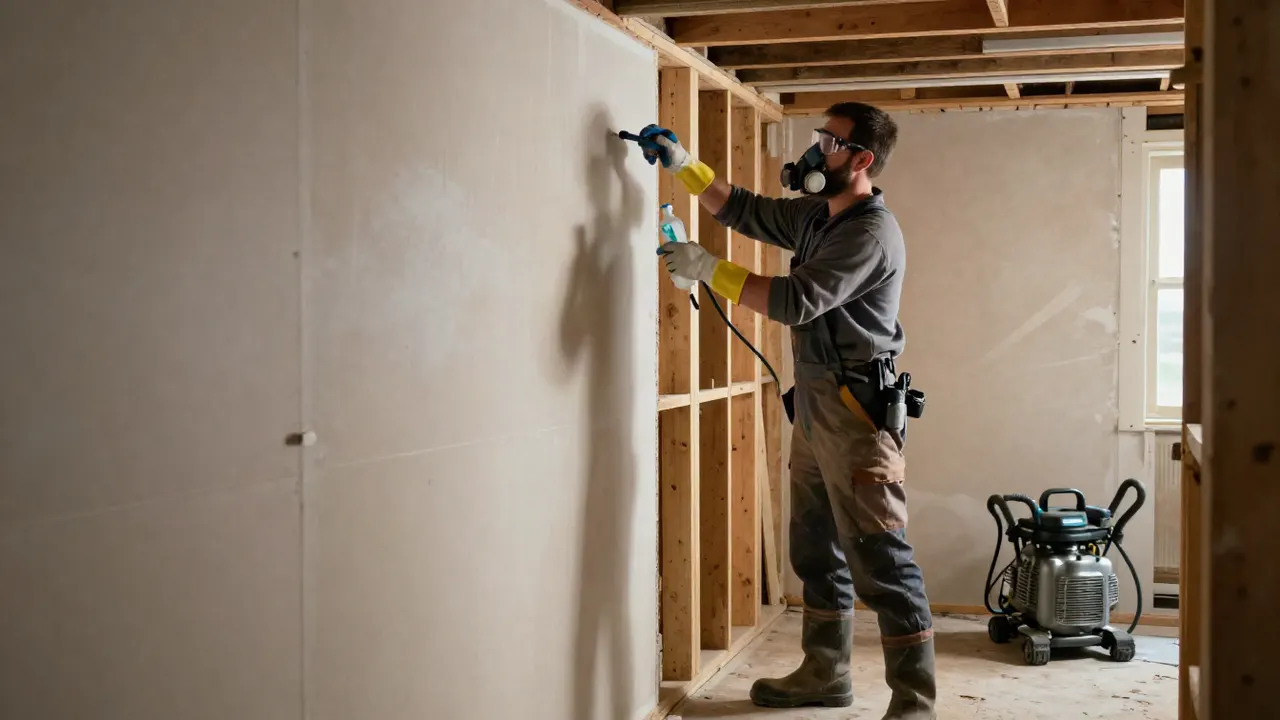
We arrive, walk the space with you, and identify the water source. A submersible pump or wet/dry vacuum handles any standing water while we take baseline moisture readings on the floor, walls, and any framing. You get a clear scope and a price before we set a single air mover.
Pull standing water from carpet, padding, and concrete faster than any portable unit. Essential for cutting total drying time on flooded basements.
Remove deeper pools of standing water before extraction begins. Used when water is still actively moving or when the depth exceeds what an extractor can handle.
Create high-velocity airflow across wet surfaces to accelerate evaporation from concrete, framing, and subfloor. Placement is based on the moisture map.
Pull 130 or more pints of moisture per day from the air, dropping ambient humidity low enough to dry the structure. Sized to your basement's cubic footage.
Find hidden moisture behind walls and under flooring, and track drying progress daily. These readings drive every equipment adjustment we make.
Handle smaller volumes of water in tight spaces where a truck-mounted extractor cannot reach, such as closets and under stairs.
A failed sump pump left four inches of water across 800 square feet of finished basement. Carpet, padding, and the bottom two feet of drywall were saturated. The homeowner found it the next morning.
After: We extracted the water, removed the ruined carpet and padding, cut away wet drywall, and ran 12 air movers and three dehumidifiers for five days. Final moisture readings on the concrete and framing were at dry standard. The space was ready for rebuild.
Book this service →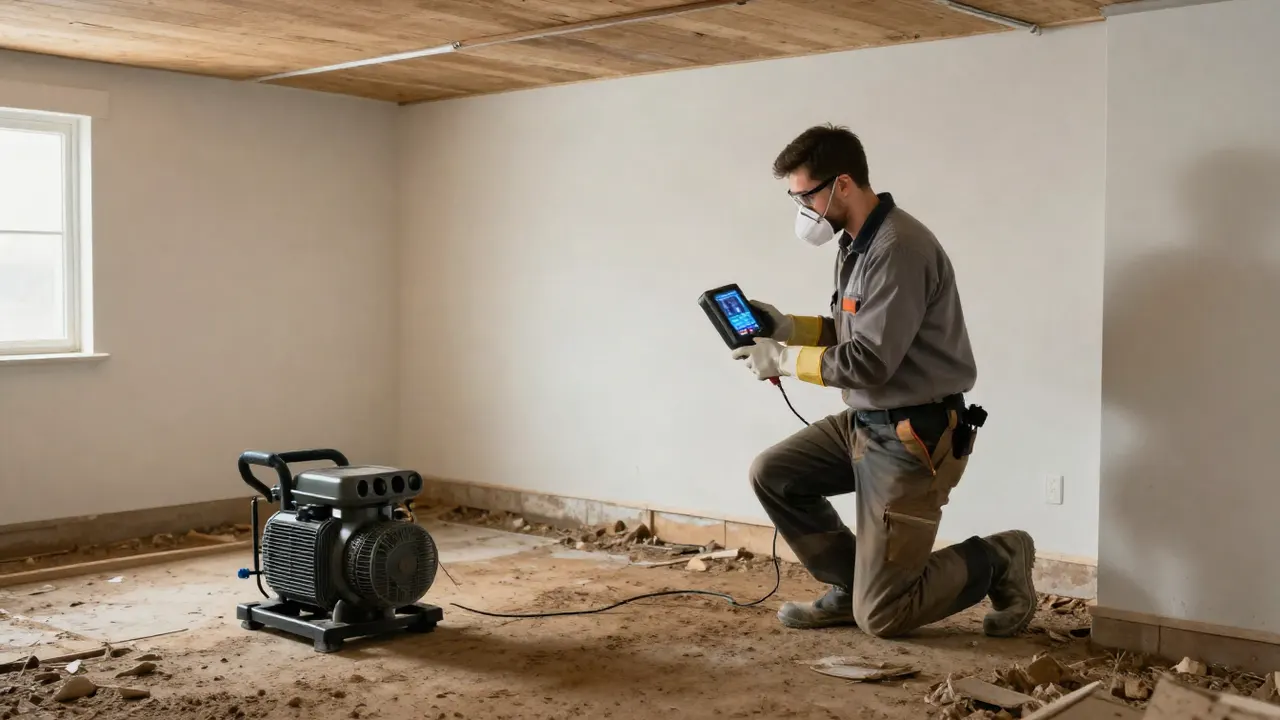
A 1900s row house had chronic dampness and a musty smell in the basement. Moisture meters showed elevated readings in the stone walls and along the floor-wall joint. No standing water, but humidity stayed above 65 percent.
After: We ran a controlled drying cycle with low-profile air movers and a commercial dehumidifier for four days. Wall readings dropped to dry standard. We also identified two foundation cracks and a clogged downspout that were feeding the problem.
Book this service →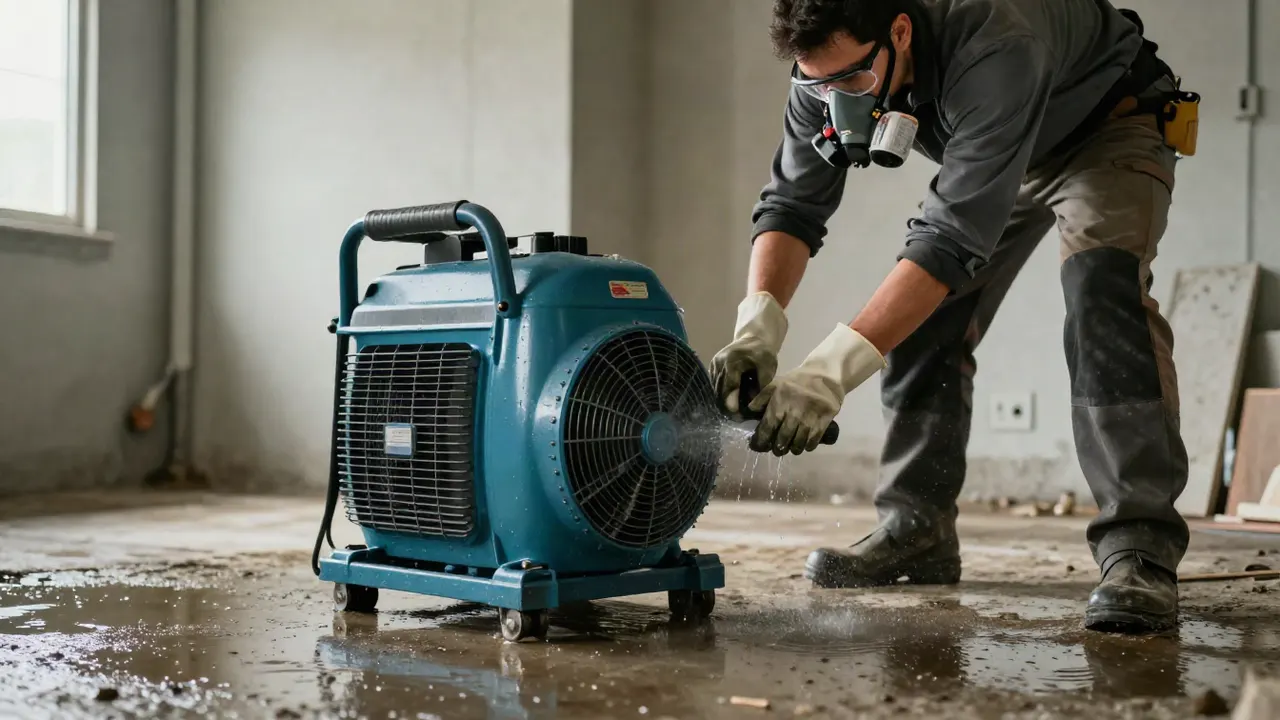
A PEX supply line to a utility sink burst while the family was on vacation. Water ran for two days, soaking 1,200 square feet of basement carpet and wicking up into the drywall. Humidity in the space was near 90 percent.
After: We extracted, removed carpet and pad, and dried the concrete and framing over six days with 16 air movers and four dehumidifiers. Final readings were at dry standard. We documented everything for the insurance claim, which was approved without a supplement.
Book this service →Most Annapolis basement floods trace back to one of a handful of causes. Here is what we see and how we fix it.
Ask a pro →We extract the standing water, dry the structure, and inspect the sump pit, check valve, and discharge line. If the pump failed, we tell you what to replace and recommend a backup sump pump so the next storm does not repeat the problem.
We shut down the source, extract water, and dry the framing and ceiling cavity. We flag the failed fitting and any pipe insulation that needs replacement so your plumber can make a code-correct repair.
We dry the space to standard, then identify the entry points. We can recommend foundation crack repair, interior drainage, or a dehumidification strategy that keeps humidity down between storms.
We extract, remove unsalvageable materials, dry the structure, and sanitize with EPA-registered products. Our IICRC AMRT (Applied Microbial Remediation Technician) training guides the process.
$1,200 - $4,500 depending on scope
Typical 2026 pricing for basement drying and dehumidification in Annapolis runs $1,200 to $4,500 depending on square footage, water category, and how many days of drying are needed. A small utility basement with minimal water might land near the low end. A finished basement with category 3 water and extensive saturation will be higher. We provide a clear scope and price before we start, and we document everything for your insurance claim. Most homeowners pay only their deductible.
Professional drying costs a fraction of what mold remediation and structural repair cost when a wet basement is left alone. We dry to standard, document the job, and help you get the claim covered.
Larger basements need more air movers and dehumidifiers, which increases both equipment cost and drying time. A 400-square-foot utility space dries faster and cheaper than a 1,500-square-foot finished basement.
Get a quote ↗Clean water from a supply line is category 1. Water from a sump or foundation seep is category 2. Sewage backup is category 3. Higher categories require sanitization and often removal of unsalvageable materials, which adds cost.
Get a quote ↗Concrete dries relatively quickly. Carpet, padding, drywall, and insulation hold water longer and may need to be removed. The more porous materials involved, the longer the drying cycle and the higher the cost.
Get a quote ↗Most jobs run three to five days. If readings are not dropping as expected, we extend monitoring and equipment runtime. You are billed for the days the equipment is actually needed, not a flat package.
Get a quote ↗“Our sump pump died during a nor'easter and we had four inches of water in the basement. They were here in under three hours, pumped it out, and had dehumidifiers running by dinner. Five days later everything read dry. They even flagged the check valve that failed so we could replace it before the next storm.”
Karen M.Homeowner, Eastport
✓ Verified“A supply line to the washing machine let go while we were at work. The crew extracted the water, set up air movers, and checked in every day with moisture readings. They worked directly with our insurance adjuster and the claim went through without a fight. Basement is dry and smells normal again.”
Dave R.Homeowner, Cape St. Claire
✓ Verified“We had a musty smell for months and could not figure out why. They found elevated moisture behind a finished wall with a thermal camera, dried the cavity, and repaired the drywall. The smell is gone. I wish we had called them a year earlier instead of guessing.”
Priya S.Homeowner, Murray Hill
✓ VerifiedMost Annapolis basements dry in three to five days with professional equipment. A small utility basement with minimal saturation may hit dry standard in 48 to 72 hours. A finished basement with wet drywall, carpet, and insulation can take five to seven days. We log moisture readings every 24 hours and do not pull equipment until every material reads dry.
Yes. After any basement flood, trapped moisture in concrete, framing, and carpet will keep indoor humidity high enough for mold to grow. A commercial low-grain refrigerant dehumidifier pulls that moisture out. A residential unit from a hardware store cannot keep up. We size the dehumidifier to the cubic footage of your space, not to a generic rating.
The best way is extraction first, then controlled airflow and dehumidification. Pull standing water with a truck-mounted extractor or submersible pump, then set commercial air movers and dehumidifiers to dry the structure. Monitor with moisture meters daily. DIY fans and open windows often make it worse by pulling humid outdoor air into the space.
You can rent a residential dehumidifier from a local equipment yard, but it will not dry a flooded basement to standard. Rental units typically pull 30 to 50 pints per day. A professional unit pulls 130 or more. Renting also means no moisture readings, no drying documentation, and no insurance report. For a flooded basement, call us instead.
Water in your basement will not wait, and neither should you. We answer the phone 24/7, dispatch same-day for emergencies, and carry the certifications and equipment to dry your space to standard. Call 410-709-0950 now.
Call Now 4107090950 →Basements do not flood on a schedule. When yours does, call 410-709-0950. We answer 24/7 and dispatch a crew within the hour. You can also email us at info@annapolisfloodedbasementcleanup.com. We serve all of Annapolis and Anne Arundel County.